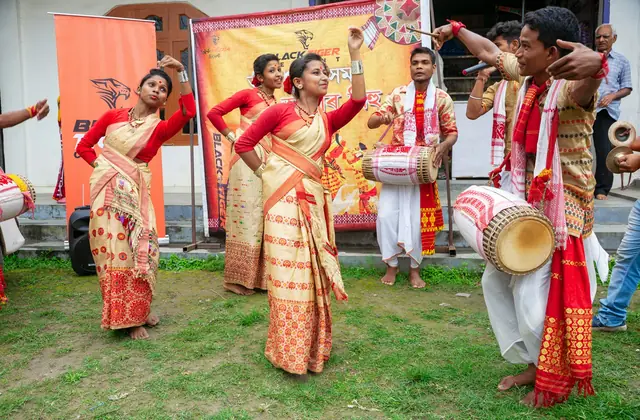
The prompt asks what your heritage means to you, and the blank page feels larger than usual. A committee of volunteers who share that heritage will read your essay closely, and they respond to real detail more than broad statements. Here is how to build an honest essay from one moment in your own life.
Starting from one moment
Pick a single scene rather than a summary of your whole background. It might be translating a letter for a grandparent, learning a song for a holiday, teaching a younger cousin a few words, or feeling unsure of a language you only partly speak. One scene told well gives the reader more than a list of traditions.
Write the scene first, plainly, in the order it happened. Then add a few sentences on what it showed you and what you carried from it into school, work or your plans. The committee is reading to learn about you, so let your own voice come through.
One scene told well gives the reader more than a list of traditions.
Writing honestly about language
Your relationship with the language may be fluent, partial or still growing, and any of these can carry a strong essay. A student who is learning the language as a teenager has something real to say, and so does one who interprets for family at the doctor's office. Write about where you are rather than where you think the reader expects you to be.
If you use words from the language, keep them few and make their meaning clear from the sentence around them. Check spelling and accent marks with someone who knows the language well. A small error in a word the committee holds dear can distract from the rest.
Answering the prompt and revising
Read the prompt again before you revise and make sure your essay answers each part of it. Many associations ask how you will stay connected to the community or give back during and after college. A concrete plan, such as helping at the next festival or tutoring at a language school, reads more sincerely than a general pledge.
Keep to the word limit and read the essay aloud once. Ask a teacher or an older relative to read it for clarity, and ask someone who knows the culture well whether anything feels off. Save the final version with the association's name in the file name.
What you can do this week
- Write down three moments tied to your heritage
- Draft the strongest one as a plain scene
- Ask a relative to check any words in the language
- Read the final draft aloud once
Worth remembering. Build the essay from one real moment and write about your language as it truly is for you.